
Many people have hearing difficulties and hesitate to use a hearing aid, but they don’t know which one will work best for them. A wrong choice may result in discomfort, lack of sound quality, and diminish the utilization overtime.
With the different types of hearing aids now available, it’s easier to understand what options are out there to help bridge the gap between hearing challenges and hearing solutions. Bharti ENT Care Hospital provides all-round hearing assessment, expert advice and customized solutions according to the hearing requirement and lifestyle of the patients.
Knowing the available hearing aid options and their advantages can make the decision-making process easier and more confident.
Why Choosing the Right Hearing Aid Matters
Hearing aids are not one-size-fits-all devices. The best solution is determined by a number of factors such as:
- The extent of hearing loss.
- Lifestyle requirements
- Cosmetic preferences
- Ear anatomy
- Hand-eye coordination and dexterity
- Budget considerations
A hearing aid can make communication, social interaction, work and life more enjoyable.
This is the situation I see with many of my patients in the clinic: They select a device because it looks nice and pretty. Once professionally evaluated and fitted, they learn that comfort, sound and hearing requirements are all equally significant.
That’s why it’s important to have an idea of the different hearing aid styles available before committing to a purchase.
Understanding the Different Types of Hearing Aids
Due to modern technology, varied types of hearing aids are available and are designed with an advanced design to meet the needs of people who have different levels of hearing loss and different lifestyles.
Behind-the-Ear (BTE) Hearing Aids
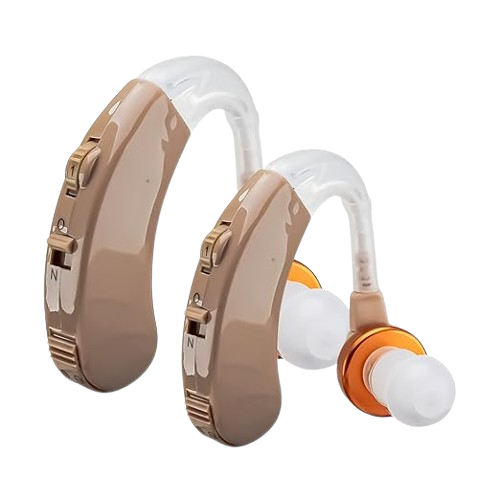
A Behind-the-Ear (BTE) hearing aid is one of the most commonly used types of hearing aids. It consists of a small electronic device that sits comfortably behind the ear and is connected to an earmold or dome placed inside the ear canal through a thin tube.
How Does a BTE Hearing Aid Work?
A BTE hearing aid contains:
- Microphone – Captures sounds from the surrounding environment.
- Amplifier – Increases the volume and clarity of sounds.
- Processor – Adjusts sounds according to the user’s hearing needs.
- Speaker (Receiver) – Delivers the amplified sound into the ear canal.
- Battery – Powers the hearing aid.
Benefits include:
- Ideal for mild to profound levels of hearing loss
- Easy to handle and maintain
- Longer battery life
- Powerful amplification
Are BTE Hearing Aids Visible?
Yes, BTE hearing aids are worn behind the ear and are more visible than some smaller hearing aid styles. However, modern BTE devices are lightweight, discreet, and available in various colors to blend with hair and skin tones.
These are still some of the most flexible hearing aid options that are available now. BTE devices are comfortable and simple to fit, which is why many first-time users find them beneficial.
Receiver-in-Canal (RIC) Hearing Aids
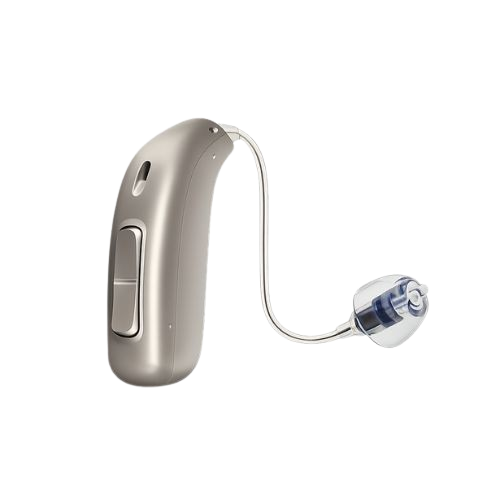
A Receiver-in-Canal (RIC) hearing aid is a popular type of hearing aid designed to provide clear, natural sound while remaining discreet and comfortable to wear. Unlike traditional hearing aids, the speaker (receiver) is placed directly inside the ear canal and connected to the main hearing aid body by a thin wire.
How Does a RIC Hearing Aid Work?
RIC hearing aids capture sounds through built-in microphones, process the sounds digitally, and send them to the receiver located in the ear canal. Because the receiver is positioned closer to the eardrum, users often experience more natural and clearer sound.
Benefits of Receiver-in-Canal (RIC) Hearing Aids
- Benefits of Receiver-in-Canal (RIC) Hearing Aids
- Lightweight and comfortable design
- Discreet appearance with a thin wire
- Clear and natural sound quality
- Suitable for mild to severe hearing loss
- Reduced feeling of ear blockage
- Easy connectivity with smartphones and other devices
- Rechargeable options available in many models
RIC devices have been the best type of hearing aid for many patients because they are comfortable, performing well, and hardly noticeable.
Are RIC Hearing Aids Better Than Other Hearing Aids?
RIC hearing aids offer excellent sound quality and flexibility, making them one of the most commonly prescribed hearing aid styles worldwide. However, the best hearing aid depends on your hearing loss, lifestyle, and personal preferences. An audiologist can help determine whether a RIC hearing aid is the right choice for you.
In-the-Ear (ITE) Hearing Aids
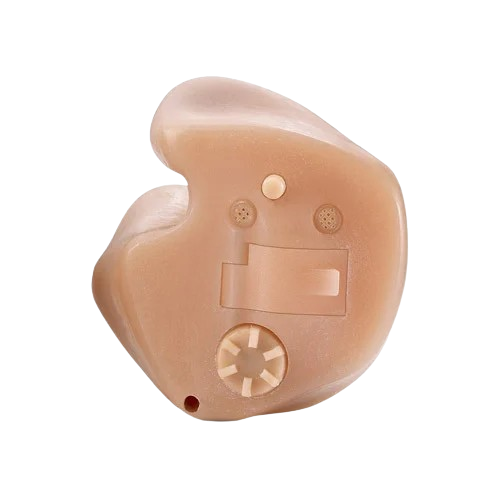
An In-the-Ear (ITE) hearing aid is a custom-made hearing device that fits directly inside the outer portion of the ear. Unlike Behind-the-Ear (BTE) hearing aids, ITE devices are molded to match the shape of your ear, making them comfortable, discreet, and easy to use.
ITE hearing aids are suitable for individuals with mild to severe hearing loss and offer a balance between performance, comfort, and cosmetic appeal.
How Do ITE Hearing Aids Work?
ITE hearing aids use a built-in microphone to capture sounds from the environment. The device then processes and amplifies these sounds before delivering them into the ear canal, helping users hear conversations and everyday sounds more clearly.
Benefits of In-the-Ear (ITE) Hearing Aids
- Custom-made for a comfortable fit
- Easy to insert and remove
- Larger controls than smaller hearing aid styles
- Improved sound quality and speech clarity
- Less visible than traditional behind-the-ear devices
- Can accommodate advanced features such as noise reduction and directional microphones
People with difficulty in handling smaller hearing aids often prefer these devices.
In-the-Canal (ITC) Hearing Aids
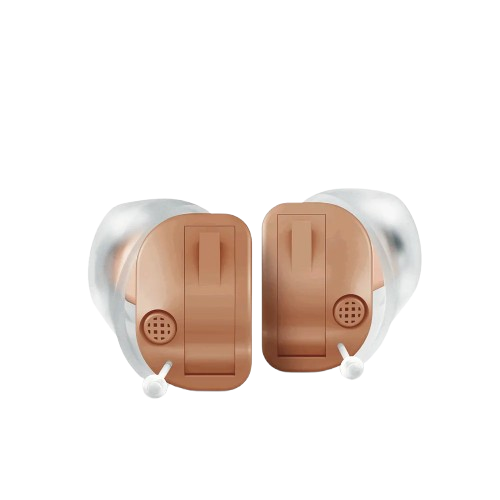
In-the-Canal (ITC) hearing aids are custom-made hearing devices that fit partly inside the ear canal and partly in the outer ear. They are designed to be less visible than larger hearing aids while still offering many advanced hearing features.
How ITC Hearing Aids Work
ITC hearing aids contain:
- A microphone that picks up sounds from the environment.
- A processor that amplifies and adjusts sounds based on your hearing needs.
- A speaker (receiver) that delivers the amplified sound into your ear canal.
- A battery that powers the device.
Because they sit partially in the ear canal, they can provide a more natural listening experience by utilizing the ear’s natural shape to collect sound.
Benefits of ITC Hearing Aids
- Smaller and less noticeable than Behind-the-Ear (BTE) hearing aids.
- Individually molded to the shape of your ear for enhanced comfort and secure wear.
- Utilizes the ear’s natural acoustics to provide a more realistic listening experience.
- Allows easier use of telephones with reduced interference.
- Available with features such as noise reduction, directional microphones, feedback cancellation, and Bluetooth connectivity.
- Lightweight design makes them comfortable for extended use.
- Helps users better identify the direction from which sounds are coming.
- Positioned within the ear, reducing wind interference compared to some external hearing aid styles.
They are not suitable though for very poor hearing or people with dexterity challenges.
Completely-in-Canal (CIC) Hearing Aids
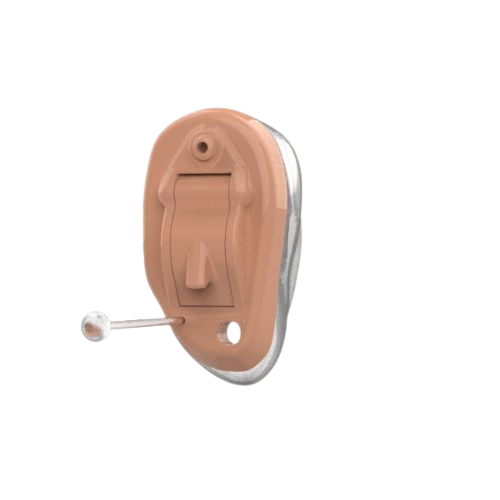
Completely-in-Canal (CIC) hearing aids are one of the smallest custom-made hearing aid styles available. They are designed to fit deep inside the ear canal, making them nearly invisible when worn.
How CIC Hearing Aids Work
A CIC hearing aid contains a microphone, amplifier, receiver (speaker), and battery within a tiny custom-molded shell. It captures sounds from the environment, amplifies them, and delivers clearer sound directly into the ear canal.
Benefits of CIC Hearing Aids
- Virtually invisible appearance
- Comfortable and discreet fit
- Reduced wind noise due to deep placement
- Uses the ear’s natural shape to help localize sounds
- Suitable for people who prefer a cosmetic, low-profile hearing solution
Maintenance and changing batteries may be more difficult or may involve more hand-eye coordination due to the small size of the battery.
How Audiologists Select the Right Hearing Aid
Hearing aids are not one-size-fits-all devices. Choosing the right hearing aid involves a thorough assessment of an individual’s hearing needs, lifestyle, and personal preferences. Audiologists use specialized testing and professional expertise to recommend hearing aids that provide the best possible hearing experience and long-term satisfaction.
There’s more to choosing a hearing aid than just picking a style. Generally, a professional assessment will entail the following:
Comprehensive Hearing Evaluation
A detailed hearing assessment will determine:
- Type of hearing loss
- Severity of hearing impairment
- Speech understanding ability
- Individual hearing requirements
Advanced hearing tests are used to identify the proper device technology to benefit the most.
Lifestyle Assessment
Audiologists consider:
- Workplace environment
- Social activity levels
- Smartphone connectivity needs
- Listening preferences
For instance, a retired person that spends most of their time at home could need a different set of features than a business that has to attend meetings regularly.
Ear Anatomy and Comfort
Not all devices are designed to fit all ears. The size and shape of the ears have a role in determining hearing aid styles.
One of the patients I recently asked for the smallest hearing aid possible. We carefully considered the underlying cause of his hearing loss, his anatomy and determined the most appropriate device for him was a Receiver-in-Canal device, which performed better and greatly enhanced his ability to understand speech.
Features That Influence Hearing Aid Performance
Today’s hearing aids feature some new and sophisticated technology that far exceed the basic amplification. Important features include:
Noise Reduction Technology
Reduces unwanted background sounds and enhances speech clarity.
Directional Microphones
Improve communication when in noisy situations and pay attention to the direction from which noise is coming.
Bluetooth Connectivity
Can connect directly to:
- Smartphones
- Televisions
- Tablets
- Computers
Rechargeable Batteries
Gaining popularity because of the convenience and decreased battery replacement costs.
These characteristics can make a big difference when choosing from various hearing aid options. If you are thinking of getting hearing aids in Vadodara, you should consult your audiologist about the various hearing aid technologies available and choose the one that best fits your needs.
The Importance of Professional Fitting and Follow-Up Care
No matter how sophisticated a hearing aid is, its performance will be poor if it is not properly fitted.
Hearing aid fitting by a professional guarantees:
- Accurate programming
- Optimal sound quality
- Comfortable wear
- Maximum hearing benefit
Full audiological facilities will perform a detailed assessment of hearing function before device recommendations. This will help to ensure that the hearing aid that is selected is appropriate to the individual’s lifestyle and hearing profile.
Learning how to adjust comfortably to hearing aids can help make the transition smoother and a success. Educational information can be useful for many patients as they become accustomed to hearing devices and maintain their hearing health over time.
Making the Right Choice for Better Hearing
When choosing the best type of hearing aid, you’ll need to consider hearing need, comfort, technology, lifestyle, and professional recommendations.
Some practical tips for choosing wisely are:
- See an audiologist for a professional hearing evaluation.
- Discuss your daily listening environments.
- Focus on performance and sound before aesthetics.
- Inquire about future accommodations and additional services.
- If possible, test the recommended device.
Expert Care at Bharti ENT Hospital
An observation I often make with patients is that the most successful hearing aid users are not always the ones who have the most sophisticated hearing aid technology. They are often the ones who are the one who are assessed properly, who have realistic expectations and who are given continuous support.
Bharti ENT Hospital offers comprehensive hearing assessments, expert device recommendations, and personalized hearing care, empowering individuals to make informed decisions about hearing solutions. In the hands of an experienced professional and with proper assessment, dealing with a hearing loss and selecting the best hearing aid to suit them can be a simple yet satisfying process.
Frequently Asked Questions (FAQs)
Which Type of Hearing Aid Is Most Comfortable?
Ear anatomy and hearing requirements are important factors in determining comfort, and for many users, a Receiver-in-Canal (RIC) device is comfortable because it is lightweight and discreet.
Which Hearing Aid Type Offers the Best Sound Quality?
Some RIC and premium BTE hearing aids enable advanced processing and directionality to deliver high-quality sound.
How Long Do Different Types of Hearing Aids Last?
Typical hearing aids can last from 3-7 years depending on maintenance, usage and advances in technology.
What Is the Most Popular Type of Hearing Aid?
One of the most popular hearing aids available is the Receiver in Canal (RIC) type because of its comfort, performance and appearance.
How Do Audiologists Decide Which Hearing Aid Type Is Right for You?
Before making recommendations, the Audiologist will assess hearing status, lifestyle requirements, ear anatomy, communication objectives and preferences.
Should I get hearing tests prior to purchasing a hearing aid?
Yes. Knowing the type and degree of the hearing loss is crucial to ensure that the appropriate device is used, and professional hearing assessments can help identify them.
Why is Professional Hearing Aid Fitting Important?
When fitted properly, it allows for accurate programming, comfort, understanding of speech and optimal use of the hearing aid.