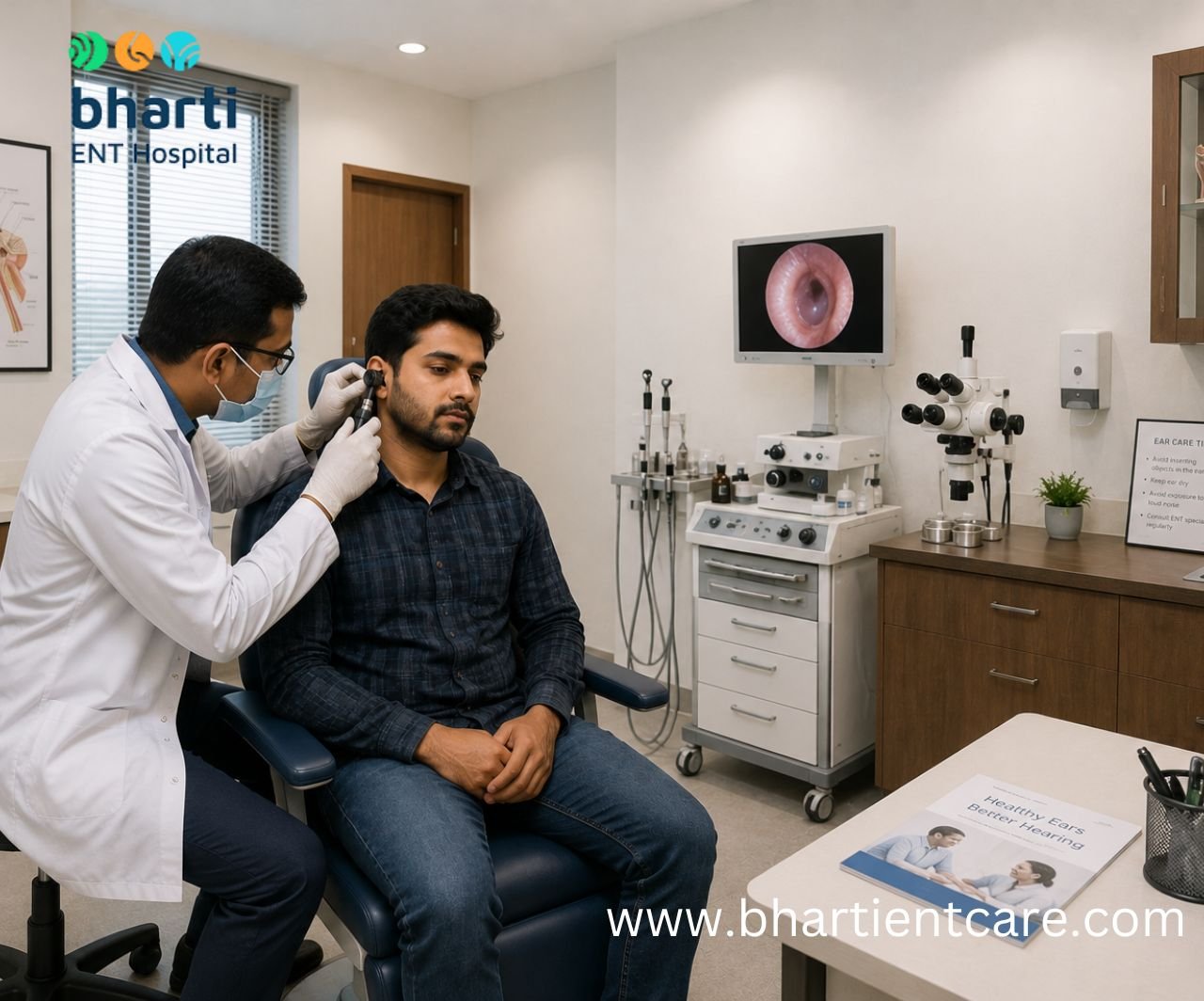
Ear surgery may also be recommended to relieve chronic ear infections, hearing loss, damaged eardrums or middle ear disorders that can cause hearing loss or loss of balance. Bharti ENT Hospital believes that post surgery recovery is as vital as the surgical process; well-received care can definitely decrease the chances of problems and speed up healing.
Treatment like micro ear surgery is often done with the help of state-of-the-art microscopic techniques, which are very precise and have less impact on the surrounding tissues. These ear surgeries are sometimes performed to correct eardrum perforations, cholesteatoma, chronic infections, and some hearing issues. While today’s surgical techniques are much safe and effective, patients should exercise due care in compliance with the medical instructions provided following surgery.
There are many issues that arise after surgery that are the result of the patient exposing the ear to moisture, missing doses of medication, or returning to strenuous activities before it’s ready. Some swelling is common, as are temporary dizziness, mild discomfort and changes in hearing during the recovery time; however, proper care can prevent these problems from progressing into more serious issues.
Patients and families should be aware that recovery periods can differ with regards to the nature of surgery, how healthy the patient is and the extent of the ear condition being treated. Strictly adhering to the ENT surgeon’s advice is one of the best ways to promote a safe healing process and long-term hearing improvement.
Common Complications After Ear Surgery
Most ear surgery operations are performed without any complications, but there may be problems if certain precautions are not taken. The early detection of the signs and symptoms allows patients to seek early medical attention and prevent further damage.
Infection: One of the most frequent post ear surgery concerns is infection. The ear can be exposed to bacteria if it is in contact with contaminated water or with the excessive touching or poor hygiene. Symptoms can range from fever, swelling, foul-smelling discharge or worsening pain around the surgical site.
Balance Disturbances: Some patients may also experience temporary dizziness or balance disturbances after surgery in the middle or inner ear. This generally gets better over time, but if it is severe or persists, it will be necessary to alert the doctor right away.
Hearing Fluctuations: There is also the possibility of hearing fluctuations during recovery. As the swelling progresses, and internal healing takes place, hearing may be blocked or muted at first. Patients should not clean or put anything in the ear or clean it themselves, as this can damage the healing tissues.
Other Rare Complications: Rare complications can include bleeding, delayed healing of the wound, tinnitus (ringing in the ears) or injury of surrounding structures within the ear. But when the surgery is done under expert surgical care and post-surgery instructions are followed, the risks are kept to a minimum.
It is important for individuals recovering from ear surgery to also be aware of the significance of avoiding pressure changes as well. During the first 24 hours, activities like forceful nose blowing, swimming, heavy lifting or air travel can disrupt the healing process.
Essential Precautions During Recovery
One of the most crucial things in avoiding complications following ear surgery is proper aftercare. By adhering to these straightforward tips, patients can promote a smoother healing process and ensure better outcomes in the long run.
Keep the Ear Dry
When recovering from an infection, exposure to water may increase the risk of infection. Swimming is typically not recommended for patients, and they are told to protect their ear when bathing. A waterproof cover in accordance with a doctor’s recommendation can help prevent unwanted moisture infiltration.
Take Medicines as Prescribed
Treatment with antibiotics, pain killing drugs or ear drops should be administered according to guidelines. Missed doses could result in infection or healing that is delayed.
Avoid Touching or Cleaning the Ear Internally
When someone feels discharge or blockage in the ear, patients will try to clean it. You should not clean inside until you have been informed by a healthcare provider.
Limit Physical Strain
The pressure inside the ear could be caused by heavy exercise, bending, lifting weights or sudden movements of the head. Early healing stage rest and limited activity are typically suggested.
Attend Follow-Up Appointments
The doctor can follow the healing progress and spot complications early on in the course of treatment with regular follow-up visits. Even when the patient feels better, these appointments are important.
In modern ENT clinics, there are surgical techniques available where the surgeon can see with a microscope for more accuracy when performing ear surgery. These techniques enable healthy structures and treat the affected area more accurately. More complex surgical treatment can also include hearing preservation surgery and enhanced diagnostic assistance to aid recovery from surgery.
Importance of Monitoring Symptoms After Surgery
It is important that the patient watch out for unusual symptoms during recovery rather than take them as normal. There will be some temporary hearing changes and mild pain in the beginning, but if the symptoms become more severe, there may be complications.
If the patient has any of the following, seek medical help:
- Ongoing or severe earache
- Persistent bleeding or discharge
- High fever
- Sudden hearing loss
- Severe dizziness or vomiting
- Swelling around the ear
- Weakness or numbness of the face
Small problems can be prevented from becoming big problems by intervening at an early stage. After an ear surgery, patients should not self-medicate or use home remedies, unless their doctor says so.
People often search for additional information about surgical hearing treatments and hearing restoration procedures before or after surgery. Patients should be aware of surgical treatment options for hearing loss and make informed choices regarding their health care.
People who have had surgery receive the same advice to stay healthy during recovery. Maintaining good hydration, eating a balanced diet and getting a good night’s sleep help with tissue regeneration and enhance the immune system’s ability to heal.
Choosing Proper Medical Support for Ear Surgery
The quality of care received by the patient is as important as the quality of medical evaluation, surgical planning and post-operative support. An experienced ENT care provider ensures that treatment is accurate and hearing outcomes are good.
After careful physical examination, hearing test, imaging tests and thorough evaluation of symptoms, an experienced ENT specialist in Vadodara may suggest ear surgery. When medications are ineffective, ear-related middle ear disorders like chronic ear infections, eardrum perforation, cholesteatoma, and hearing loss may need to be surgically corrected.
These can encompass a microscopic visualization system, hearing assessment instruments, an endoscopic aid and specialized post-operative monitoring for modern ENT surgical setups. These technologies assist in achieving greater accuracy and safety at each step of the treatment.
It’s also important for patients to feel at ease when discussing their recovery goals prior to surgery. This knowledge of potential symptoms, restrictions on activities, medications and follow-up appointments can help to minimize anxiety and cooperation during the healing process.
It is crucial for the patient and healthcare provider to communicate since recovery will be different for each patient. Personalized guidance enables doctors to make tailored health suggestions reliant on healing development and general wellbeing.
Supporting Long-Term Ear Health After Surgery
Ear surgery recovery doesn’t stop once you see results or when your stitches have closed. Long term ear care is also crucial in keeping your hearing health and avoiding future problems. If recommended, patients should keep following evaluations, and should not overlook recurring symptoms (ear discharge, hearing loss, and repeated infections).
Ears should be protected from frequent infections, excessive noise or untreated sinus or throat infections, which will help minimize future ear issues. People with chronic ear disease may need periodic ear assessments for long-term ear function.
At Bharti ENT Care Hospital, the surgical treatment and post-operative monitoring are advanced, enabling patients to recover securely and lessening the dangers after ear surgery. If cared for properly, with regular post-surgical evaluations and careful recovery, most patients will have improved hearing health and healing after surgery.
Frequently Asked Questions (FAQs)
What happens during a micro ear surgery?
The procedure is carried out with a microscope and very small instruments so it can reach very delicate structures.
What is the typical recovery time for ear surgery?
Recovery times are specific to condition and procedure, and most people need a couple of weeks of healing and monitoring.
What are the ear disorders that can be treated here in the Bharti ENT Hospital?
Ear infections, hearing loss, pain in the ears, ringing in the ears, ear discharge and structural ear problems are treated.
Which services are offered at Bharti ENT Hospital for ear surgeries?
These services can range from the examination of the ears and assessment of the hearing to the microscopic surgery, management of infections, and post-operative care.
When is it appropriate for the patient to reach out to the physician following surgery?
If pain, fever, bleeding, dizziness or a sudden change in hearing is severe, seek medical attention immediately after surgery.